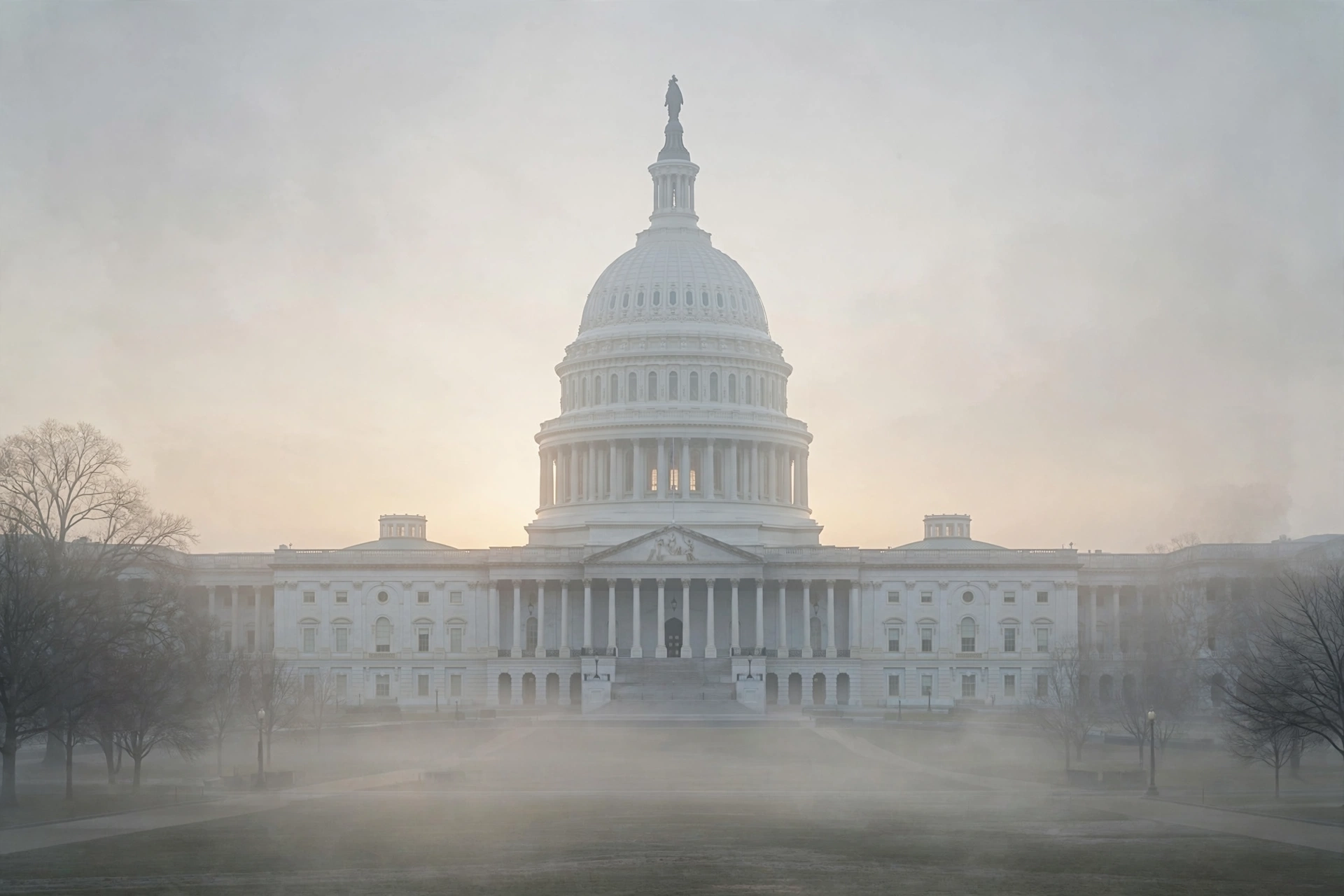
I've been practicing immigration law for more than 30 years, and if there's one thing I've learned, it's this: comprehensive immigration reform is always "coming." It's been coming my entire career. It'll probably still be "coming" long after I hang it up.
Every few years the cycle repeats. A president makes promises. Congress holds hearings. Pundits declare this time is different. Then it collapses under the weight of politics, and we're back to the same broken system.
Here's what I tell my clients: don't wait for reform. Work with the system as it exists today.
That doesn't mean reform wouldn't help. Our employment-based system is genuinely broken. The annual H-1B cap gets exhausted almost immediately. Green card backlogs stretch for years — sometimes more than a decade for applicants from India and China. Brilliant Stanford postdocs with venture funding can't get visas. Silicon Valley companies starve for talent while the paperwork crawls.
And the undocumented population? Millions of people living here, working here, paying taxes, with no path forward. Leaving them in limbo doesn't make the border more secure. It pushes people further into the shadows, which helps nobody — not them, not us, not the economy.
What would smart reform actually look like? A few things are obvious to anyone who's worked in this field. A real guest worker program that matches workers with jobs legally. A practical path for long-term undocumented residents with clean records to come forward and get right with the system. More green cards for employment-based categories — the current quotas were set decades ago for a different economy. And yes, serious border security as part of the package, not instead of everything else.
But here's the political reality nobody in Washington wants to say out loud: both parties benefit from immigration staying unresolved. It's a fundraising tool. It's a wedge issue. Actually solving it would take away a reliable source of outrage, and outrage is currency in Washington.
So what's the practical move? If you're an employer, a student, a researcher, or a family trying to navigate this system — don't build your plans around what Congress might do someday. Build them around what the law says right now. There are real, workable paths through the current system: O-1s for extraordinary ability, EB-1s and national interest waivers for top researchers, L-1s for multinational transfers, E-2s for investors. I've spent three decades finding the doors that are actually open.
Reform may come someday. Until then, you need someone who knows how to work the system we've got.